
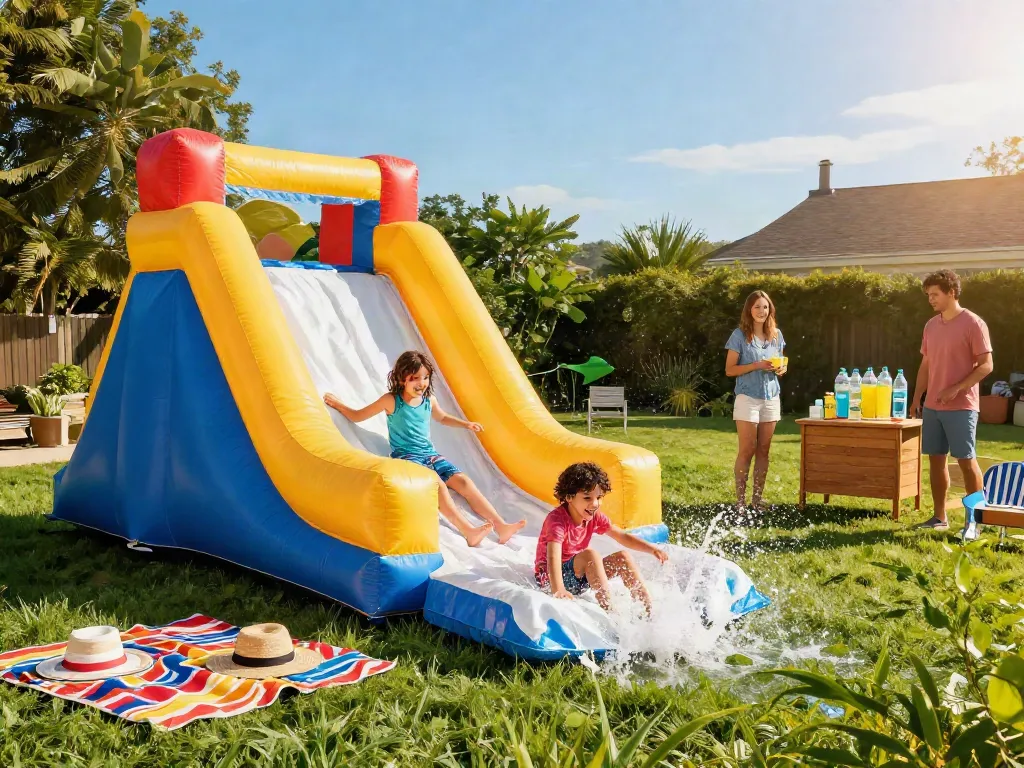
Understanding the Slip and Slide Phenomenon
The slip and slide, a classic summer activity, has captivated children and adults alike for generations. With its simple design, this water-based game provides endless hours of enjoyment, especially during the hot months. Its appeal lies not only in the thrill of sliding across a slick surface but also in the camaraderie it fosters among family and friends. When exploring options, slip and slide enthusiasts can find a variety of inflatable and traditional options that cater to every backyard adventure.
What is a Slip and Slide?
A slip and slide is essentially a long sheet of thick plastic designed to be set up on a flat, grassy surface. It is typically equipped with sprinklers that wet the surface, creating a slippery pathway for users to slide down, often aided by the momentum generated from running. The simplicity of this outdoor toy is what makes it so appealing, offering a perfect blend of physical activity and fun.
The History of Slip and Slides
The concept of sliding down a slick surface for recreation can be traced back to the early 1960s, when it was popularised by the Wham-O toy company with the patented “Slip 'N Slide.” Initially marketed as a fun summer activity, the slip and slide quickly became a staple in backyards across America and beyond. Its design has evolved over the years, with modern variations including inflatable slides that offer enhanced safety and comfort.
Why They Are Popular for Summer Fun
Slip and slides are popular for several compelling reasons:
- Easy Setup: Setting up a slip and slide is straightforward and requires minimal equipment, making it accessible for families.
- Cost-Effective: Compared to other outdoor activities, a slip and slide provides an affordable way to keep children entertained during summer.
- Physical Activity: Sliding down a slip and slide encourages outdoor play and physical movement, crucial for children’s health.
- Social Interaction: This activity fosters teamwork and competitive spirit as friends and family take turns sliding down.
Choosing the Right Slip and Slide for Your Needs
When selecting a slip and slide, there are several factors to consider to ensure that you choose the most suitable option for your family’s needs.
Factors to Consider When Selecting a Slip and Slide
Consider the following aspects:
- Age Appropriateness: Ensure the slip and slide is suitable for the ages of your children to avoid safety hazards.
- Size: Choose a length based on your available space and the number of users; longer slides may offer more fun but require more room.
- Material Quality: Opt for durable materials that can withstand wear and tear, ensuring longevity and safety during use.
- Weight Capacity: Check the weight limits, especially if adults or larger children are going to use the slide.
Comparing Designs: Inflatable vs. Traditional
As slip and slides have evolved, two primary designs have emerged: traditional plastic slides and inflatable versions.
- Traditional: Generally simpler and more affordable, traditional slip and slides are made from thick plastic. They are lightweight and can be easily rolled up for storage but may not provide the cushioning that some users prefer.
- Inflatable: Inflatable slides offer a cushioning effect, making them safer and more comfortable, especially for younger children. They often come with additional features, such as built-in sprinklers or splash pools, adding to the fun.
Safety Features to Look For
Safety should always be a priority when selecting a slip and slide. Look for features such as:
- Reinforced Seams: Ensure that the slide has reinforced seams to prevent tearing during use.
- Low Slope: A gentle slope will reduce the risk of injury from falls.
- Anchor Points: Some models come with anchor points to secure the slide to the ground, preventing movement during use.
- Soft Landing Zones: Inflatable slides often feature soft landing areas to cushion the impact during descent.
Setting Up Your Slip and Slide Properly
Proper setup is essential for ensuring a safe and enjoyable experience on your slip and slide. The following guidelines will help you set up your equipment correctly.
Ideal Locations for Setup
Choose a flat, grassy area free from rocks, sticks, or other debris that could cause injury. Ideally, the location should receive full sun to help dry the ground quickly and keep the slide slick. Avoid setting up on hard surfaces like patios or concrete, as these can increase the risk of injury if a user falls.
How to Prepare the Ground for Sliding
Before laying out the slide, clear the area of any sharp objects. Mow the grass beforehand to minimise the length of blades that might poke through the slide. A good suggestion is to lay down a tarp underneath for added protection and comfort.
Water Supply and Pressure Considerations
Ensure you have a reliable water source nearby. The pressure should be sufficient to keep the slide adequately wet but not so high that it creates an overly forceful spray. A garden hose with a sprinkler attachment often works best for maintaining a consistent flow of water across the slip and slide.
Enhancing the Slip and Slide Experience
A slip and slide can be much more than just a wet surface. Here are some creative ideas to enhance the sliding experience:
Adding Fun Elements: Sprinklers and Obstacles
Incorporate additional water features like sprinklers or your own DIY water spray systems along the slide. You can also introduce inflatable obstacles for added fun and challenges as kids race to the finish.
Games and Activities for Slide Enthusiasts
Organise competitions such as timing races to see who can slide the fastest. Alternatively, incorporate games like slip and slide bowling, where players aim to knock down plastic bottles set at the bottom of the slide.
Tips to Keep the Fun Going All Day
To ensure a full day of fun, rotate activities between sliding and other games like water balloon tosses or mini-pool challenges. Providing plenty of refreshments and a shaded area for breaks will keep everyone hydrated and energetic.
Maintaining and Storing Your Slip and Slide
Proper maintenance and storage are essential for prolonging the life of your slip and slide. Here are some best practices:
Best Practices for Cleaning After Use
After a day of fun, thoroughly rinse the slide with clean water to remove dirt and soap residues. Allow it to air dry completely before folding it to prevent mould and mildew growth.
How to Properly Store to Prolong Lifespan
Once dry, store the slide in a cool, dry place away from direct sunlight. Rolling it up tightly will save space, but ensure it is adequately protected from sharp objects that could cause damage.
Common Repairs and Troubleshooting Tips
If your slip and slide develops small tears or holes, repair kits are often available for quick fixes. For larger damages, patch kits or even duct tape can suffice until a more permanent solution is found.
What are the best slip and slide brands?
Some of the most reputable brands include Wham-O, WOW Sports, and Banzai, each offering quality designs and features suited for various age groups.
Can adults use slip and slides?
Absolutely! Many slip and slides are designed for all ages, and there are even models specifically made for adults, often featuring added length and width for a more thrilling experience.
How to ensure safety while using a slip and slide?
Prior to use, check the slide for any damages, ensure proper water flow, and supervise children at all times to prevent accidents. Setting rules about sliding order can also help manage safety.
Are there slip and slide rentals available?
Yes, many companies offer slip and slide rentals for parties and events, allowing you to enjoy larger inflatable versions without the need for permanent storage.
What accessories can enhance my slip and slide?
Consider purchasing additional accessories such as inflatable cushions, water guns, or colourful flags to create an obstacle course that adds variety and excitement to the sliding experience.